The new Chronicle chooses Zafira to be her assistant, changing the direction of Zafira’s whole life.
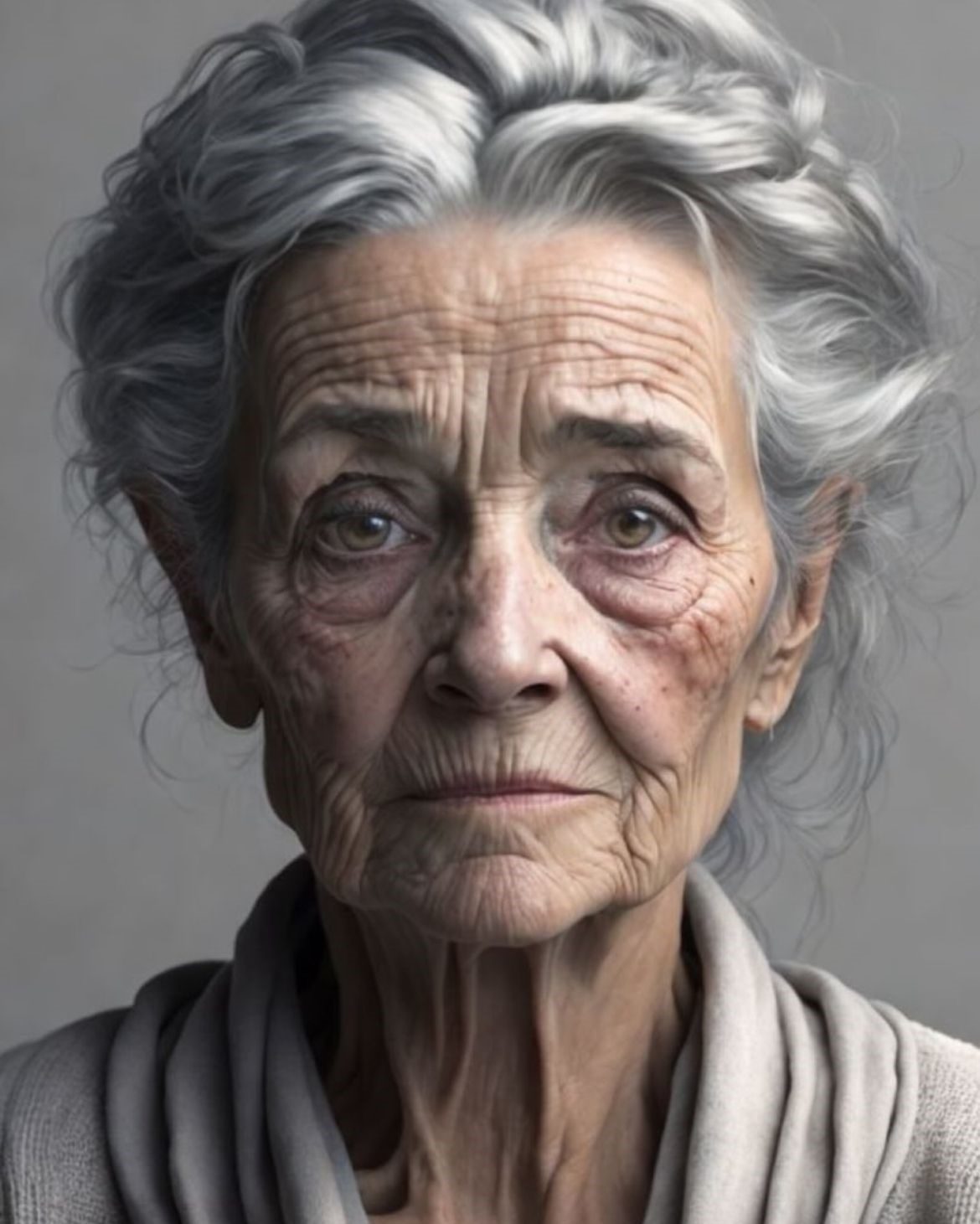
Photo Credit: unknown, colorized
Content Note: Queen of the Raiders is dark, unflinching fiction. This story contains child slavery, human trafficking, abuse, violence, and depictions of systemic cruelty. These themes are handled with intention, not gratuitously — but they are present throughout. Reader discretion is advised.
“Zafira,” we were at breakfast one morning and the cook turned to me.
“Take this tray up to the new Chronicle. You’ll be bringing her trays from now on. Do you know where the Archive is?”
I did not.
From the kitchen, Barlow led me down the hallway and through the opulent front hall where the huge staircase dominated. As we ascended the plush red carpeted stairs the dishes shook on the tray I carried. I felt my palms get sweaty in anticipation of dropping the whole thing. Barlow heard the clanking and eyed me worriedly but said nothing.
Right before we reached the end of an upstairs hallway, he opened a small door I’d barely seen, recessed into the wall as it was and darkened with age and oil to match the surrounding rock. There was no decorative hardware on it, just a simple iron latch and hinges that creaked softly as he pulled it open.
In the small alcove beyond was a metal spiral staircase bolted into the rough canyon rock. The steps, steel diamond plate grating painted white, rang with each of our footsteps as we circled up. My throat was thick with apprehension as I clutched the rattling tray tightly, picturing myself falling backwards to my steel-filled death in this claustrophobic space.
At the top of the stairs was a small wooden landing, and then we stepped into another world.
Entering the Archive was like entering a church built for knowledge. The ceiling soared twenty feet above us, the room nestled in a long natural dome of the rock. Two tall windows broke the stone – vertical slashes of light on each side of the room that illuminated floating dust motes in the still air. Morning light streamed through the windows, but it was the books I couldn’t take my eyes off of.
Floor-to-ceiling shelving covered every available wall space, stuffed with books and papers and journals salvaged and saved from the Old World. Novels, technical manuals, encyclopedias, and textbooks were arranged by subject, some water damaged, their pages brown and brittle. I saw books that were protected in salvaged plastic bags and a leather-bound dictionary which sat on a special stand taking up important space for its display. There were stacks and stacks of journals; papers everywhere, as well as rolled maps, religious texts, and blank ledgers waiting to be filled.
It was more human knowledge than I had ever seen before.
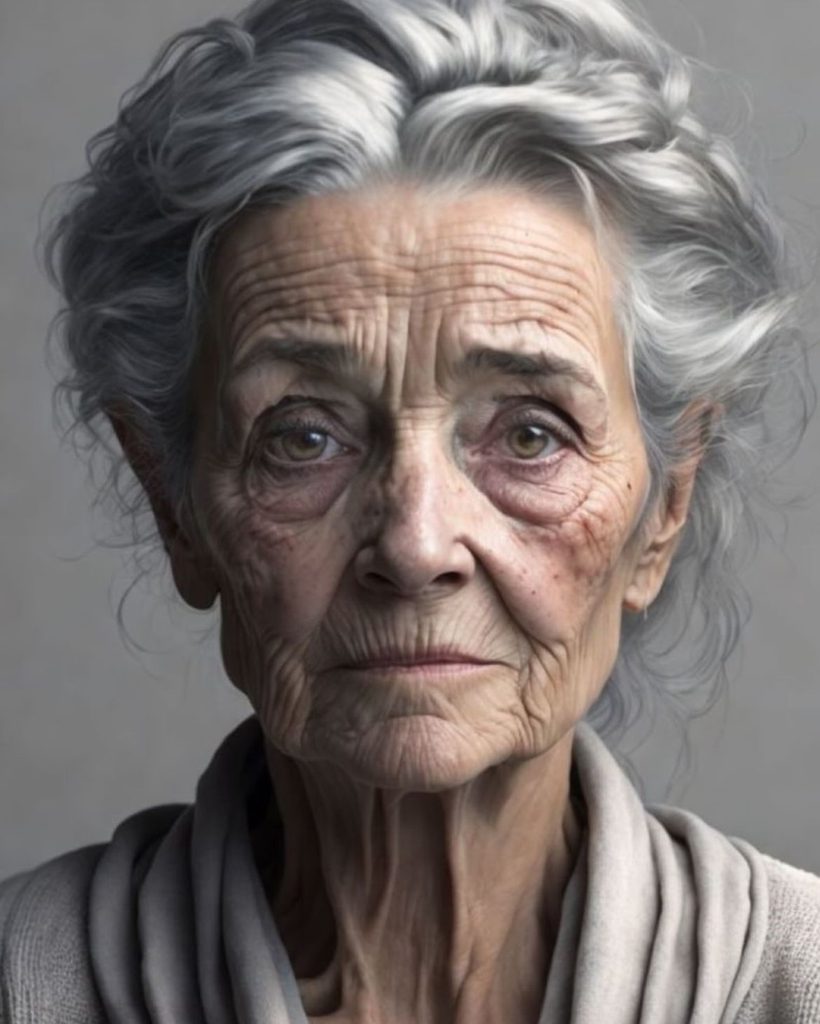
Sitting at a huge desk at the back of the Archive was the oldest human being I had ever seen. She had a thick white braid and wore glasses attached to a small chain. There was a collar around her neck, like mine, but unlike me her sagging and wrinkled skin folded over the top of it. She looked up as we entered and watched us approach. Barlow gave a short bow to her and said, “Your breakfast, Chronicle. I trust you slept well?”
“Comfortable, Barlow, thank you.”
“Then I shall leave you to it,” he said. He turned to me almost as an afterthought and asked, “Child, will you remember how to get back here by yourself?”
“Yes, Sir,” I replied.
With a nod to us both, Barlow turned and strode from the room. His footsteps echoed up the stairs as he descended. And then I was alone with the new Chronicle.
“Well,” she muttered to herself after a moment. She stood, stretching. “At least no one can sneak up on me in here.” She looked down at me. “I think we need some fresh air. Help me open these windows. Let’s get a nice cross-breeze going!”
I set down the tray on her desk as she hobbled across the Archive.
The southern window was narrow and tall, made out of salvaged glass panes pieced together in a wooden framework wedged into the rock. The glass was wavy and old but I could still see out over the roof to the garden below. Resting on the interior sill was a row of salvaged glass jars containing dried flowers, a bird’s nest, and various stones: souvenirs from the last occupant of this space. We struggled for some time against the warped wood until at last we yanked the window sash up.
With a startling squeak the window jerked open and I was flooded by the smells of mesquite cooking smoke, sun-baked rock, tires, and a gentle, sweet smell beyond that – desert sage, which I’d loved from the second I’d entered this valley. I felt suddenly as if I had been holding my breath for months. I inhaled deeply.
The northern window looked out over the street two stories below and was just as difficult to open, warped as it was from the heat of the desert. Once we forced it open, I leaned out. In the bustling street below were people, horses, and bicycles, all rushing by. I felt like a prisoner in a story watching from a high tower: trapped inside, no one looking up to see me. Invisible, alone.
Powerless.
“What’s your name, child?” I was startled out of my reverie by the Chronicle. She was standing behind me, arms crossed.
“Zafira, Chronicle,” I managed.
“Hmm,” she regarded me for a moment. I could not read the expression on her face.
“Where are you from, Zafira?”
“Provo. In Utah, Chronicle.”
“Ah, so you’re a Mormon?”
“Yes, Chronicle,” I stammered.
She snorted at something, then peered at me.
“How old are you?”
“Seven, Chronicle.”
“Do you know your letters?”
“Yes, Chronicle. I can read a little.”
“Excellent. And how long have you been here?”
“One year, Chronicle.”
“Would you like to help me, here in the Archive?”
“Okay,” I said nervously, looking around at the amount of cleaning required in this dusty vault.
“Good, Zafira. Now scram,” she said, turning back to her desk.
Uncertain, I scrammed.
Turns out that was the start of a very long conversation.