Zafira’s first encounter with the pandemic that ended the world.
Content Note: Queen of the Raiders is dark, unflinching fiction. This story contains depictions of a grave illness and pandemic. Reader discretion is advised.
That spring, when I was 7 years old, I got the Crimson Flu for the first time.
The Crimson Flu is what ended the old world sixty years ago. Enid told me it happened so fast: rumors of a pandemic in a place far away. Then more reports closer, the next week. Then, it was all around her.
It killed almost the entire human race, striking as it did at the tail end of the Water Wars. Enid said ninety percent of humanity perished, though I did not have a concept of how many that was then (and still do not really think I understand).
“Think of how many stars are in the sky,” she said once. “That many.”
Her voice changed then, softer. Far away. “The night sky used to be so different.”
“How?” I prompted, after a long moment.
“Duller, dustier. You could barely see stars, let alone the Milky Way.”
I could not understand such a thing. I thought of my Milky Way, that veined marble river of ice bursting from the heavens; stars so bright they cast shadows in the desert even without a moon.
I pitied the Old World for not knowing such beauty.
The Crimson Flu spread like wildfire. Entire towns contracted it and died, and not good deaths. Highly virulent and fast-acting, the first symptoms were sore throat, cough, fatigue, and splitting headache. That progressed to high fever, aches, minor hemorrhaging under the skin along veins, and delirium. The hemorrhaging and fever grew worse from there.
It was almost always fatal.
I am part of the ten percent of humanity left, the ones who continue to make it through the illness. We get the Crimson Flu, and suffer greatly, but we each carry a recessive gene that gives us just enough resistance to survive it. Still, we do get gravely ill and still bear the red marks on our bodies and faces. Yet somehow most of us live.
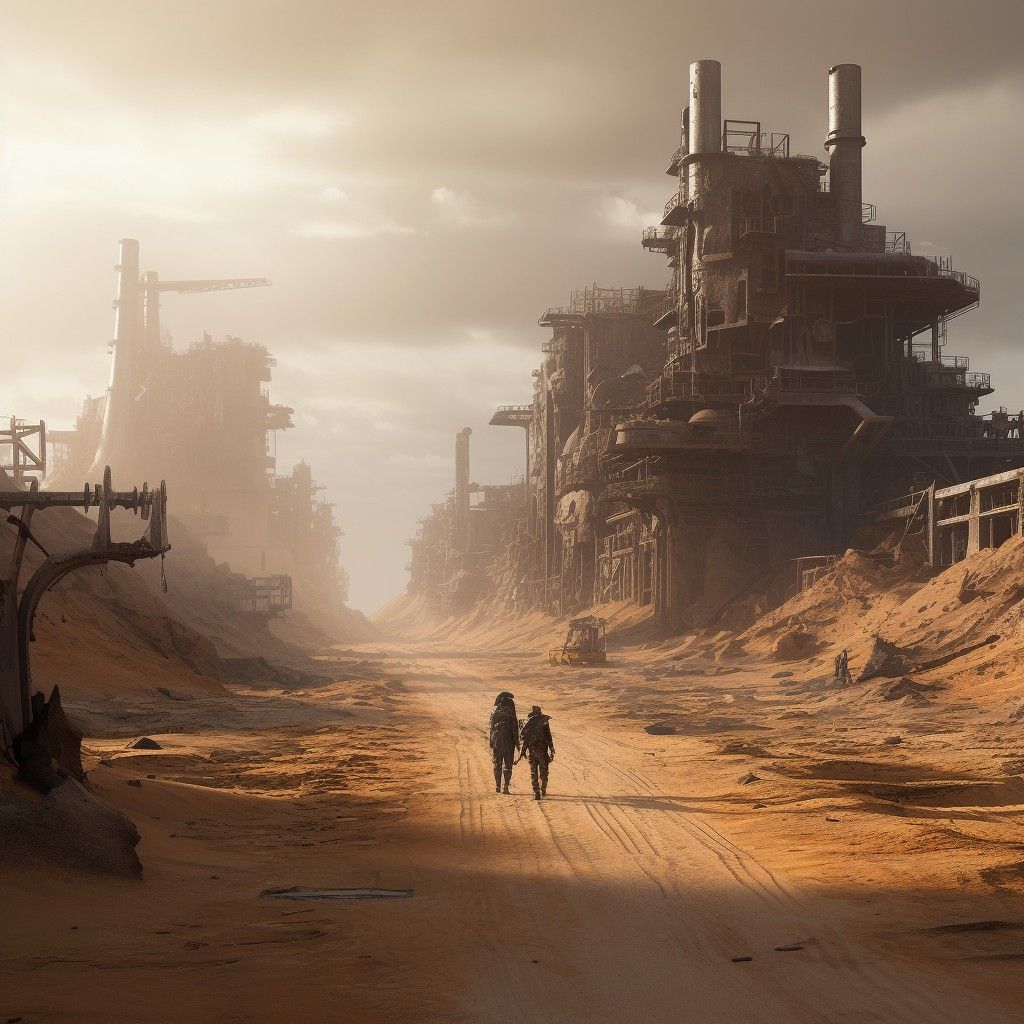
Because of the Crimson Flu there is hardly anyone left. Entire cities, abandoned. Major metropolises converted to glass-covered domes that house fifty thousand, max (and you must pay dearly to enter those). Most towns, abandoned and unsafe, eroded quickly or were taken over by Raiders, cannibals, or doomsday cults. The small townships that remain in the wasteland must fight tooth and nail every day to survive.
I remember being feverish. My skin hurt, my bones aching, my nerves on fire, my head splitting each time I coughed. River and the Lieutenant were already sick and confined to quarters when I noticed the crimson lines appearing around my mouth and eyes like tiny red worms. I had barely managed to drag myself to the toilet when I woke I felt so weak, but luckily I was sleeping in the servant quarters at the time. Enid (being elderly) had been quarantined to the Archive a few days prior at the first signs of the virus.
When I showed up for breakfast that morning the cooks, Velvet and Dust Devil, took one look at me and told me to go straight back to bed. I did not argue, as going back to bed was all I wanted to do. I fell back on top of the sheets without getting undressed and must have passed out.
I was woken, covered in sweat, by Velvet shaking me some time later. She had a rag tied over her nose and mouth. By then my fever was dangerously high and I coughed so hard I tasted coppery blood. Her eyebrows knitted together and she left, returning shortly with a steaming mug of earthy tea.
“Drink,” her voice was slightly muffled. “I know it tastes bad. Do it anyway, it helps.”
As I choked down the awful stuff she pressed a cool washcloth to my forehead from a bucket at my bedside. I remember how bitter and muddy the tea was. I was quickly sucked back into my fever dreams, vivid and confusing.
There was no medicine for the Crimson Flu, no vaccine, and hardly any doctors around for such a helpless illness. On the third day (as is the case with those who survive the high fever and “minor” hemorrhaging), I awoke not in a pool of my own sweat or blood but with a fairly clear head. My fever was gone and, although my body and head still ached, the tea helped soothe them. I no longer tasted blood when I coughed. The cough itself (as well as the aching in my bones) lingered for weeks.
When I got up on shaky legs to use the bathroom, I glanced in the small mirror and stared at the purple and red lines on my cheeks, like someone had taken a thin paintbrush and traced tiny lightning bolts all over me. Excitedly I took off my tunic, the warmth and steam of the bathhouse keeping my goosebumps to a minimum. I inspected myself carefully. The red and purple lines, tiny hemorrhaging under the skin from burst vessels, were mostly on the sides of my face and neck. They also wrapped around my torso from spine to ribs and up into my armpits.
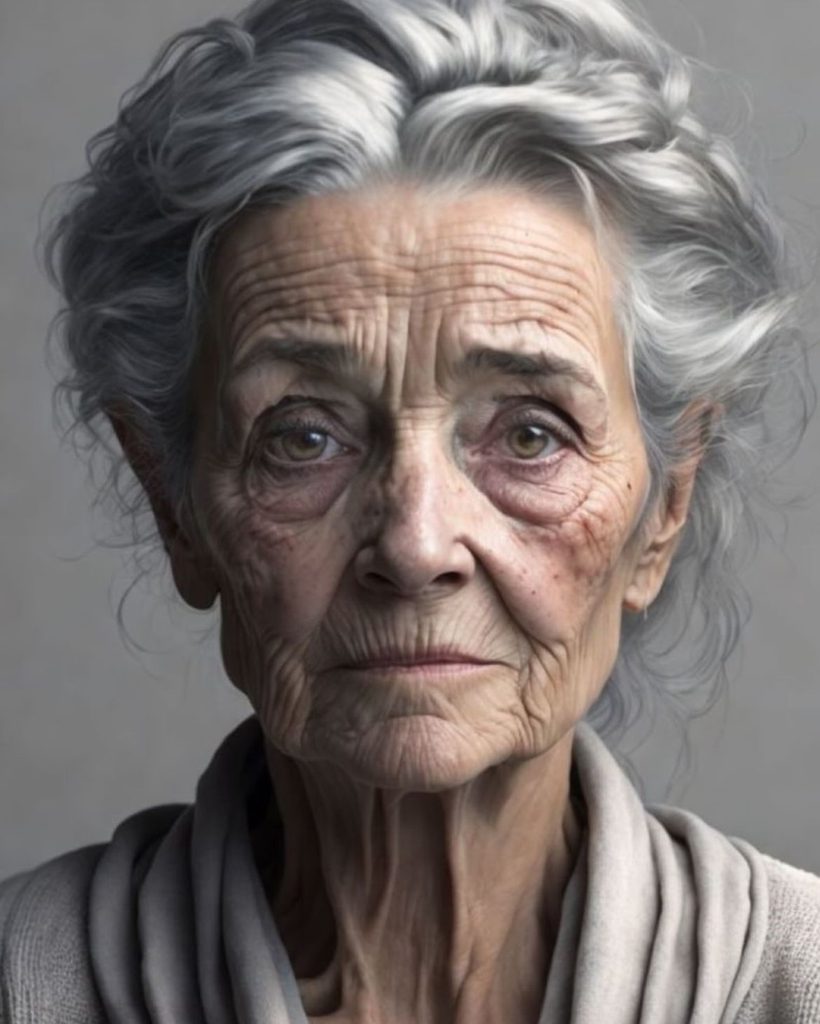
I counted sixteen thin lines on my face and twenty-eight on the rest of my body. These were the marks we all bore. Anyone who had encountered the Crimson Flu (and I had never heard of an adult who hadn’t) would be forever reminded of the illness when they looked in a mirror. As a person got older the number of lines increased with each new bout, so that those who were very old or very unfortunate had lines in many patterns etched upon their skin. Most people hated them but I thought they were beautiful; they looked somewhat like tiger stripes to me and the stripes reminded me of my parents, especially my mother. She used to cradle me in her arms and I remember reaching up to touch her stripes, tracing the delicate lines from her hairline to her eye or neck to chin.
That morning I admired my own skin for the first time, proud to finally match the rest of humanity.
Would you be happy to finally “match” too?